Fairlight CMI III Drum Wave File Sample Set


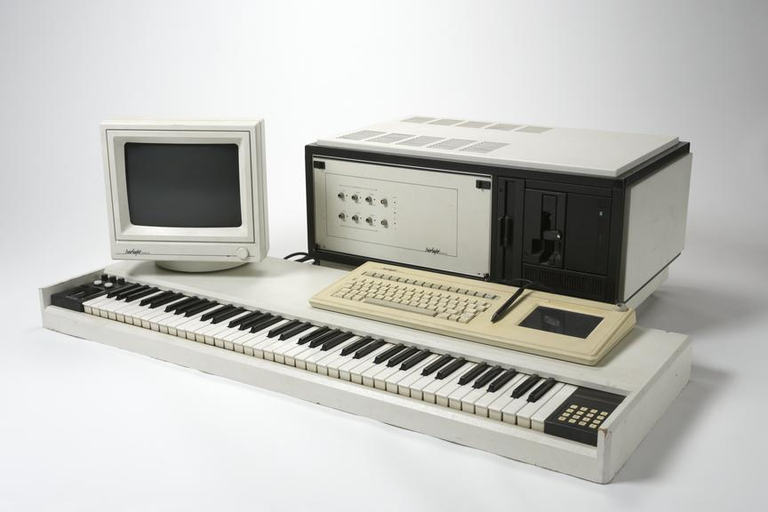
Over 90 studio quality samples.
The Fairlight CMI Series III represents the pinnacle of 1980s digital music technology, a machine that moved beyond the lo-fi grit of its predecessors to offer professional 16-bit sampling. Released in 1985 by the Sydney-based company Fairlight, it was not merely a synthesizer but a complete musical workstation that integrated sampling, additive synthesis, and sophisticated sequencing into a single, albeit massive, hardware footprint. Its signature green-screen monitor and light-pen interface became symbols of high-end studio production, allowing composers to literally draw waveforms or arrange complex rhythmic patterns with a level of visual feedback that was revolutionary for the era.
At the heart of the Series III was a massive leap in audio fidelity. While earlier models were restricted to 8-bit resolution, the Series III provided crystal-clear 16-bit sound with a sample rate of up to 100kHz in mono. This power allowed it to handle up to 16 voices of polyphony and introduced a substantial memory capacity of 14MB, which could be expanded to 32MB—an astronomical amount of RAM for the mid-eighties. It also introduced the CAPS system, a sophisticated software suite for composing and performing, while retaining the legendary "Page R" real-time sequencer that had defined the "Fairlight sound" on countless hit records.
The sheer cost of the unit, often exceeding $60,000, meant it was a tool reserved for the elite. It became the backbone of scores for films like Terminator 2: Judgment Day, where Brad Fiedel utilized two synced systems to create its industrial, metallic soundscape. Artists like Peter Gabriel, Kate Bush, and the Pet Shop Boys relied on its unique ability to manipulate natural sounds into playable instruments, creating textures that modern software still struggles to replicate perfectly. Despite its eventual decline due to the rise of more affordable samplers from Akai and Roland, the Series III remains a coveted piece of hardware for its distinct digital converters and its place as the definitive "dream machine" of the digital revolution.
OMG!!! you know I love your posts but this is