Emu Proteus 3 Drum Wave File Sample Set


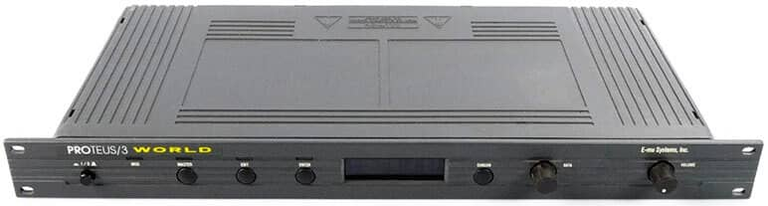
The internal 4 MB ROM contains a diverse collection of sounds sourced from across the globe. Users have access to distinct categories including bagpipes, banjos, Celtic harps, and more exotic selections like the didgeridoo and the shofar. Percussion is equally well-represented, featuring detailed samples of tablas and tamburas. For those requiring more storage for custom patches, the XR version of the module doubled the available user memory, allowing for 384 total presets compared to the standard model's 192.
Technically, the Proteus/3 offers 32-voice polyphony and is 16-part multitimbral, making it a capable workhorse for complex MIDI arrangements. Its back panel features three sets of stereo outputs, giving producers significant flexibility when routing individual instruments through external effects or mixing consoles. The interface remains consistent with the rest of the Proteus line, utilizing a simple data entry knob and cursor buttons for navigation.
While its hardware is now considered vintage, the legacy of the Proteus/3 lives on through its successor, the Planet Earth module, and various digital recreations. Modern composers frequently use SoundFont or VST versions of these original samples to add global textures to their tracks. The Proteus/3 remains a respected tool for its ability to bring authentic, traditional timbres into the digital studio environment.